
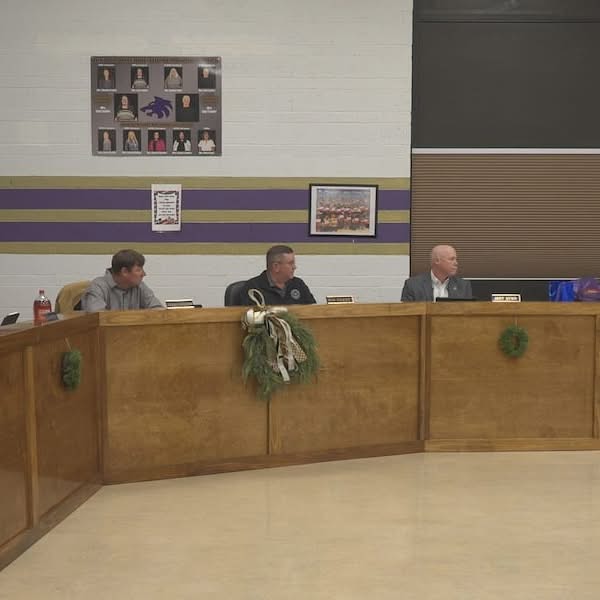
⭐️A TEXAS school board just modeled what responsible governance looks like.
This week, Dalhart Independent School District voted against implementing Texas Senate Bill 11, a bill that would create a daily, district-approved “voluntary” prayer and religious text period in public schools.
Why?
Because the board recognized what too many lawmakers gloss over:
➡️ The bill lacks clear guidance
➡️ It raises unanswered questions about logistics, equity, and student inclusion
➡️ It would change existing practices—even though student prayer is already fully protected under current law
As Superintendent Jeff Byrd explained, districts are forced into a binary choice: adopt SB 11 or reject it entirely. With no clarity on how such a period would work, who it would serve, or how students of different (or no) religious beliefs would be accommodated, Dalhart ISD chose to do the responsible thing—maintain the status quo.
And that status quo already allows:
✔️ Students to pray voluntarily
✔️ Students to bring religious texts
✔️ Religious expression that is student-initiated and non-coercive
This vote matters because it cuts through a common misconception:
Public schools do not ban prayer.
What they must avoid is school-endorsed or school-structured religious activity that risks coercion or exclusion.
Dalhart ISD didn’t reject religious freedom—they upheld it, by refusing to implement vague legislation that could undermine the constitutional balance schools are required to maintain.
📌 This is what it looks like when a school board prioritizes students, clarity, and inclusion over political pressure.
—
Credit: reporting by KFDA News Channel 10 | Jan. 19, 2026
What people are saying:
- Facebook User: Also, they prevent court challenges for violating the law.
Leave a Reply