
🚨 INDIANA: New State Initiative Blurs Line Between Government and Religion
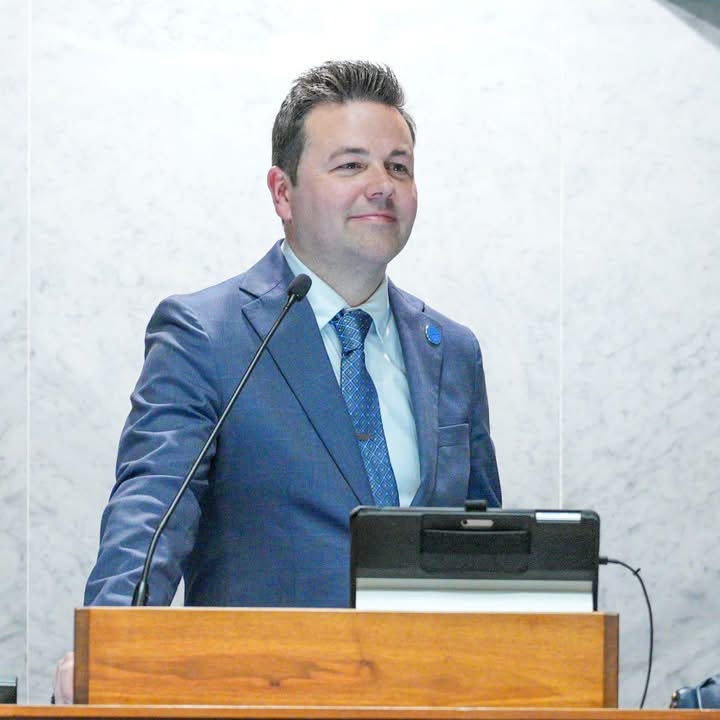
Indiana Gov. Mike Braun has signed an executive order creating the “Indiana Faith-Based Institutions Initiative,” to be run through Lt. Gov. Micah Beckwith’s office.
On paper, the initiative claims to address real societal challenges — addiction recovery, prisoner reentry, mentoring youth, foster care, and family support — by expanding collaboration between state government and religious organizations.
But from a church-state perspective, this raises serious concerns.
Here’s why this matters.
1️⃣ Government formally elevating religious institutions
This initiative explicitly positions faith-based groups as preferred partners in solving public problems — even suggesting they may be more effective than government programs. That framing matters. When the state elevates religious providers as uniquely capable, it risks sidelining secular providers and undermining neutrality.
2️⃣ “Reducing barriers” language is a major red flag
The order directs officials to identify ways to reduce barriers to faith-based participation. Historically, language like this has been used to justify:
• Public funding flowing to religious groups
• Looser oversight requirements
• Expanded access to public institutions (including schools)
We’ve seen similar frameworks precede policies that weaken church-state boundaries.
3️⃣ Schools are often where this shows up next
While this order is broad, initiatives like this frequently intersect with education — especially when states begin promoting:
• Religious mentoring programs
• Faith-based character education
• Partnerships inside public schools
Indiana is already a state where released time religious instruction (RTRI) and other religion-in-schools policies are active concerns. Moves like this create the infrastructure that makes those expansions easier.
4️⃣ Constitutional neutrality still matters
Faith-based organizations absolutely have the right to serve their communities. But the Constitution requires government neutrality toward religion — not endorsement, preference, or partnership structures that advantage one type of provider over others.
The key question is not whether faith groups can help people.
It’s whether the state should be formally empowering religion as a governing partner.
That distinction matters.
⸻
SEA will continue monitoring developments in Indiana and across the country as states explore policies that blur the line between public governance and religious influence.
If you’re in Indiana and seeing how this plays out locally — especially in schools or youth programs — we want to hear from you. Local eyes matter.
What people are saying:
- Facebook User: He give me the heebes!
- Facebook User: Ah yes, giving this to Christian Nationalist Beckwith is a GREAT idea 🙄
Ask him about what happens within his church group…SENTENCED: Son of Life Church pastor gets 6 years in child exploitation case
- Facebook User: Mixing Church and State endangers both.
Leave a Reply